
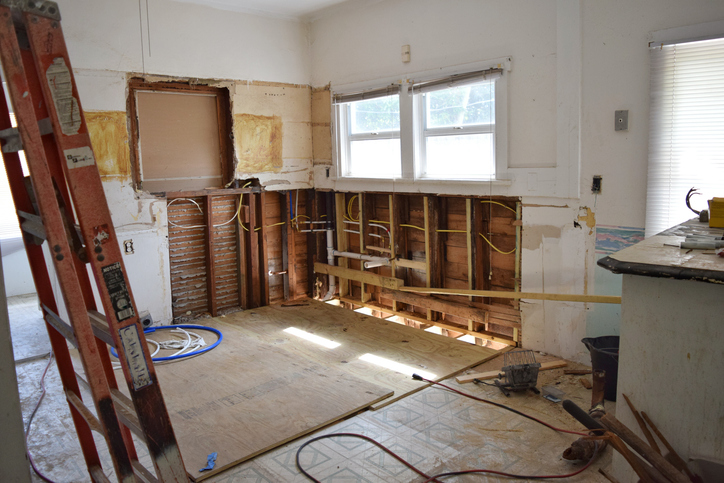
Are you new to real estate investing? Two popular strategies you’ll hear about are fix and flip, and fix and rent. Here’s what each one means and how to decide which is right for you.
What is Fix and Flip?
Fix and flip means you buy a cheap property, renovate it, and sell it quickly for a profit.
How it works:
- Buy a property below market value
- Fix it up (usually 3-6 months)
- Sell it for more than you paid + renovation costs
Pros:
- Fast money – You can make $20,000-$50,000+ in just a few months
- Fun projects – Great if you enjoy home improvements
- No tenants – You don’t deal with renters
Cons:
- High risk – If the market drops, you could lose money
- Surprise costs – Renovations often cost more than expected
- Time-consuming – You’ll spend lots of time managing contractors
What is Fix and Rent?
Fix and rent means you buy a property, renovate it, then rent it out for monthly income.
How it works:
- Buy a property
- Fix it up to rental standards
- Find tenants and collect rent every month
Pros:
- Steady income – Get rent checks every month
- Property value grows – The property may be worth more in 5-10 years
- Tax breaks – You can deduct expenses and depreciation
Cons:
- Difficult tenants – Some renters don’t pay or damage your property
- Ongoing costs – You pay for repairs, maintenance, and vacancies
- Time commitment – You’ll manage the property long-term
Which Should You Choose?
Choose fix and flip if you:
- Need money quickly
- Have $30,000+ to invest
- Enjoy renovation projects
- Can handle losing money if things go wrong
- Have 6+ months to focus on the project
Choose fix and rent if you:
- Want steady monthly income
- Can wait years for big profits
- Don’t mind dealing with tenants
- Want a more predictable investment
- Have less time for hands-on work
Getting Started
For beginners, fix and rent is usually safer. It’s more predictable and you learn the business without as much risk.
Start small with a single-family home or duplex in a good neighborhood. Make sure the monthly rent covers your mortgage, taxes, insurance, and repairs with some profit left over.
Key tip: Always budget extra for unexpected costs. Add 20% to your renovation budget and keep 3-6 months of expenses saved for emergencies.
Both strategies can make you money, but success comes from understanding your local market, staying within your budget, and making smart buying decisions.